Thinking about adding an accessory dwelling unit to your Belmont home, or buying a property that already has one? You are not alone. On the Peninsula, space and flexibility are premium features, and ADUs can deliver both. In this guide, you will learn how ADUs are viewed by local buyers, what tends to drive value and ROI in Belmont, and the key permitting and design checkpoints to verify before you build or buy. Let’s dive in.
What ADUs can add in Belmont
ADUs can provide both functional and market value. You gain options for multigenerational living, a dedicated office or studio, and potential rental income. In high‑cost markets like the Peninsula, where rental supply is tight and commuting corridors are strong, those features often resonate with buyers.
That said, value is not automatic. Your outcome depends on construction cost, achievable rent, neighborhood preferences, and how appraisers and lenders treat the ADU. A well‑designed, permitted unit with clear documentation is more likely to be credited at resale than an improvised conversion.
How buyers view ADUs locally
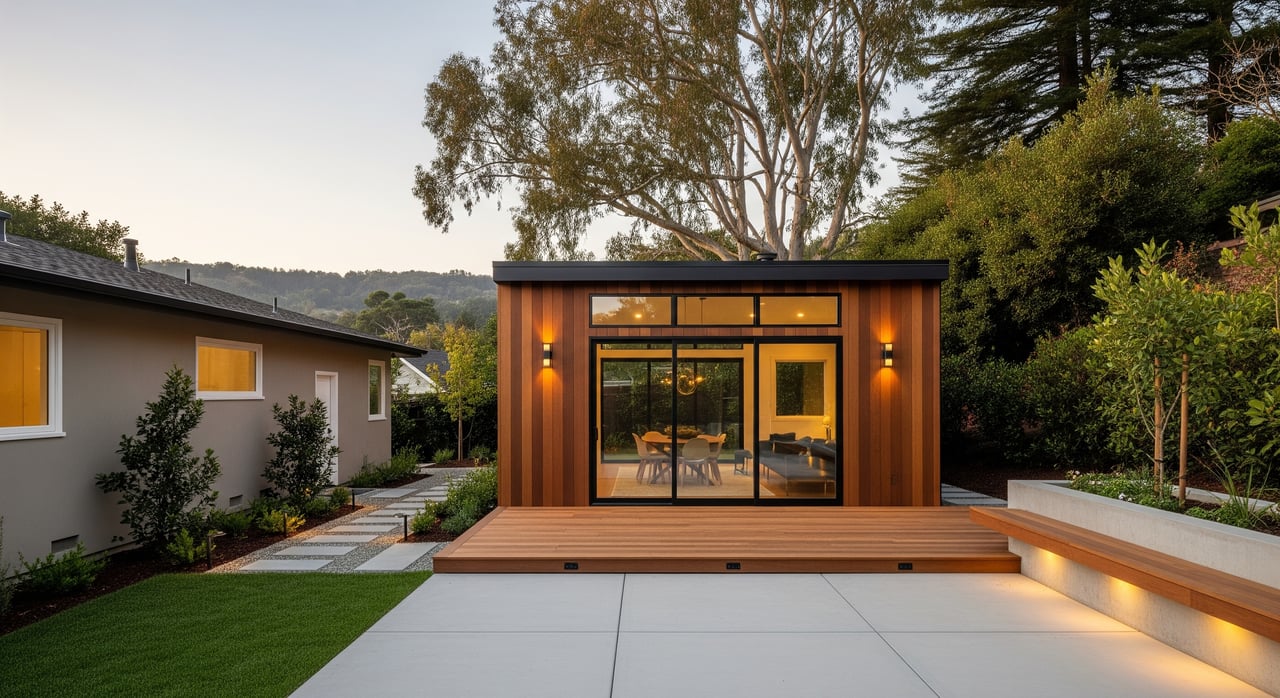
Detached ADUs
- Pros: Higher privacy and versatility for long‑term rent, an in‑law suite, or a true work‑from‑home space. Often easier to rent separately and can carry stronger resale appeal.
- Cons: Highest construction cost per square foot, potential yard and lot coverage impacts, and can raise neighbor or parking concerns.
Attached ADUs
- Pros: Lower build cost, typically faster to permit, and minimal impact on landscaping or lot coverage. Buyers may see them as more integrated with daily living.
- Cons: Less privacy for separate rental and a narrower renter pool compared with a detached cottage.
Junior ADUs (JADUs)
- Pros: Fastest and most affordable path since they are created within the existing home. Useful for a caregiver, roommate, or internal suite.
- Cons: Less attractive as a standalone rental and often carry less perceived resale premium than full ADUs.
What drives value and ROI
Cost and construction scope
Peninsula construction costs are high compared with national averages. The biggest drivers are whether you are converting existing space or building a new detached unit, plus utility hookups, structural or seismic work, finish level, and site constraints. Get multiple contractor bids and a line‑item estimate early so you can test feasibility.
Revenue potential and demand
Potential rent depends on size, layout, finish, and proximity to transit and job centers. Long‑term rental income is generally more acceptable to appraisers and lenders than speculative short‑term projections. If you are considering short‑term rental use, confirm local rules and neighborhood compatibility before you pro forma higher nightly rates.
Appraisal and lender treatment
Appraisers may use one or more of these approaches:
- Income approach if you have documented rent and relevant comparables.
- Sales comparison with adjustments for the presence of an ADU.
- Cost approach, which may understate income benefits but still recognizes the improvement.
For financing, some lenders will count a portion of documented ADU income after you establish a lease history. Policies vary, so plan for this during your build or acquisition timeline.
Taxes, insurance, and expenses
New construction usually increases assessed value, which can raise property taxes. Expect higher insurance premiums and regular operating costs, including utilities if you pay them. Budget for maintenance and, if applicable, property management.
Belmont permitting at a glance
California law requires ministerial approval for many ADUs and limits discretionary review when standards are objective. Local rules still apply for setbacks, height, parking, and design. In Belmont, plan to verify the following before you commit to design or construction:
- Zoning and allowed lot types, including any hillside, slope, or special overlays.
- Objective limits for lot coverage, floor‑area ratio, and setbacks that affect where and how large you can build.
- Maximum ADU size and any formulas tied to the existing home.
- Height and story limits, especially for over‑garage or two‑level concepts.
- Parking requirements and potential exemptions near transit.
- Utility capacity and any connection or impact fees. Smaller ADUs may qualify for reduced fees under state provisions.
- Objective design standards and whether ministerial design sign‑off is needed.
- Short‑term rental rules and required registrations if you plan that use.
- Fire and life safety requirements, including egress, separation from the main house, and any defensible space needs.
- Building code compliance, including energy and green building standards.
Typical submittals Belmont will expect
- Pre‑application meeting to identify constraints and standards.
- Site plan with property lines, structures, setbacks, parking, and utilities.
- Floor plans and elevations for the ADU and any primary dwelling modifications.
- Structural, mechanical, plumbing, and electrical plans; grading if the site is sloped.
- Proof of sewer and water connections, plus any permits from utilities.
- Statement of intended use, especially if short‑term rental is contemplated.
- Energy compliance documentation and any green building checklists.
- Fees and plan‑check deposits per the current schedule.
Timeline expectations
State law sets defined review timelines for ministerial approvals, typically measured in weeks to a few months depending on scope and plan completeness. Expect multiple plan review cycles and field inspections. Construction duration will vary by project type and contractor availability, so build in extra time.
Use cases that resonate in Belmont
- Long‑term rental to offset housing costs and strengthen resale positioning with future buyers who value income flexibility.
- Multigenerational living that keeps relatives close while maintaining privacy.
- A dedicated office or studio that supports hybrid work without sacrificing space in the main home.
- Short‑term rental only after confirming local regulations and neighborhood fit.
Build vs. buy: how to decide
If you already own in Belmont, adding a compliant, well‑finished ADU can improve marketability and broaden your future buyer pool. Detached units tend to command more interest for privacy and flexibility, although they cost more. If you are on a tighter budget or on a smaller lot, an attached conversion can be a smart path that preserves yard space.
If you are buying, compare homes with permitted ADUs to those without by weighing incremental price against the value of flexible space and potential rental income. Verify permits, final inspections, and utility separations. Ask for any lease history and expense records. Documentation is critical to value and future financing.
Investors often favor properties that allow a straightforward conversion, especially garage or basement spaces. The best returns usually come from cost‑controlled projects that match neighborhood expectations rather than overbuilding a high‑spec unit that outpaces local demand.
Practical checklist before you build
- Confirm allowable ADU types and site constraints with Belmont Planning.
- Order a site survey and map setbacks, slopes, and utility locations.
- Define your primary use case, then verify local rules for that use.
- Obtain two to three detailed contractor bids, including soft costs and utility connections.
- Model conservative rent assumptions, not speculative short‑term figures.
- Speak with a local mortgage professional about how and when ADU income may count.
- Estimate tax and insurance changes with the county assessor and your insurance agent.
- Plan for management, maintenance, and operating costs.
- Keep complete records of permits, inspections, and the certificate of occupancy.
Common pitfalls to avoid
- Building or converting without proper permits, which can depress resale value and complicate financing.
- Underestimating hookup and site work costs, especially on sloped lots.
- Assuming short‑term rentals are permitted without checking local rules.
- Overbuilding relative to the block, which can limit your buyer pool.
When an ADU may not pencil
An ADU may add less value if construction costs are high relative to achievable rent, if the lot cannot support a functional layout within setback and height limits, or if neighborhood preferences lean strongly toward larger yards over added units. In those cases, an attached conversion or a well‑designed JADU might be a better fit than a detached cottage.
The bottom line for Belmont homeowners
In Belmont and across the Peninsula, the right ADU can elevate both livability and market appeal. The best results come from objective‑compliant design, disciplined budgeting, clear documentation, and a realistic plan for either multigenerational use or long‑term rent. If you tailor the project to neighborhood expectations and keep the paper trail clean, you position yourself for stronger appraisal credit and broader buyer interest at resale.
If you want private, valuation‑driven guidance on whether building or buying with an ADU makes sense for your property, connect with Allen Nazari for a confidential consultation.
FAQs
Do ADUs generally add resale value in Belmont?
- In many cases yes, especially when the unit is permitted, well‑designed, and aligned with neighborhood expectations, but the premium depends on costs, rent potential, and buyer demand.
How do detached and attached ADUs compare for value?
- Detached units tend to command stronger interest due to privacy and versatility, while attached conversions are often more cost‑effective and faster to permit.
Can I use ADU income to qualify for a loan?
- Some lenders will consider a portion of documented long‑term rental income after a lease history, but policies vary and you should confirm requirements before you build.
What permits and plans will Belmont require?
- Expect a site plan, floor plans and elevations, full building system plans, utility confirmations, energy compliance documents, and applicable fees, with a ministerial review when standards are met.
Are short‑term rentals allowed for ADUs in Belmont?
- Short‑term rentals are subject to local regulations and may require registration or could be restricted, so you should verify current rules before planning that use.
Will my property taxes increase if I add an ADU?
- New construction typically increases assessed value for the improvement, which can raise property taxes; confirm projections with the county assessor.