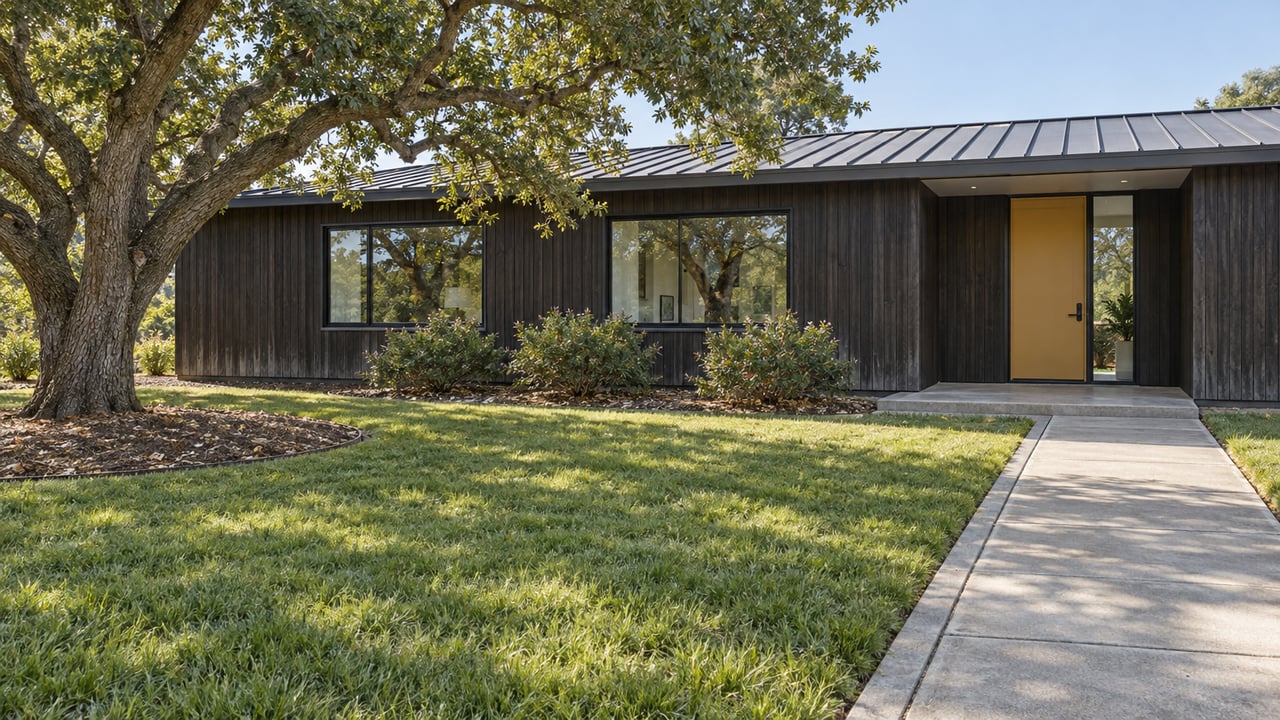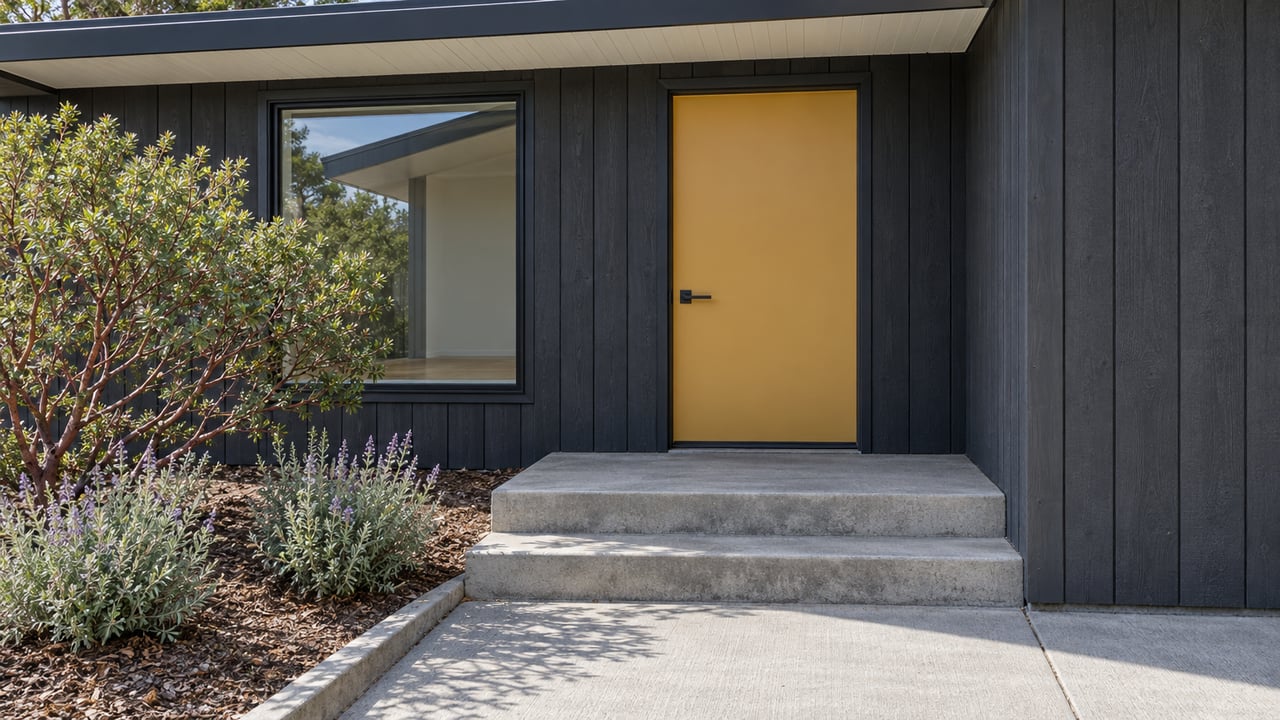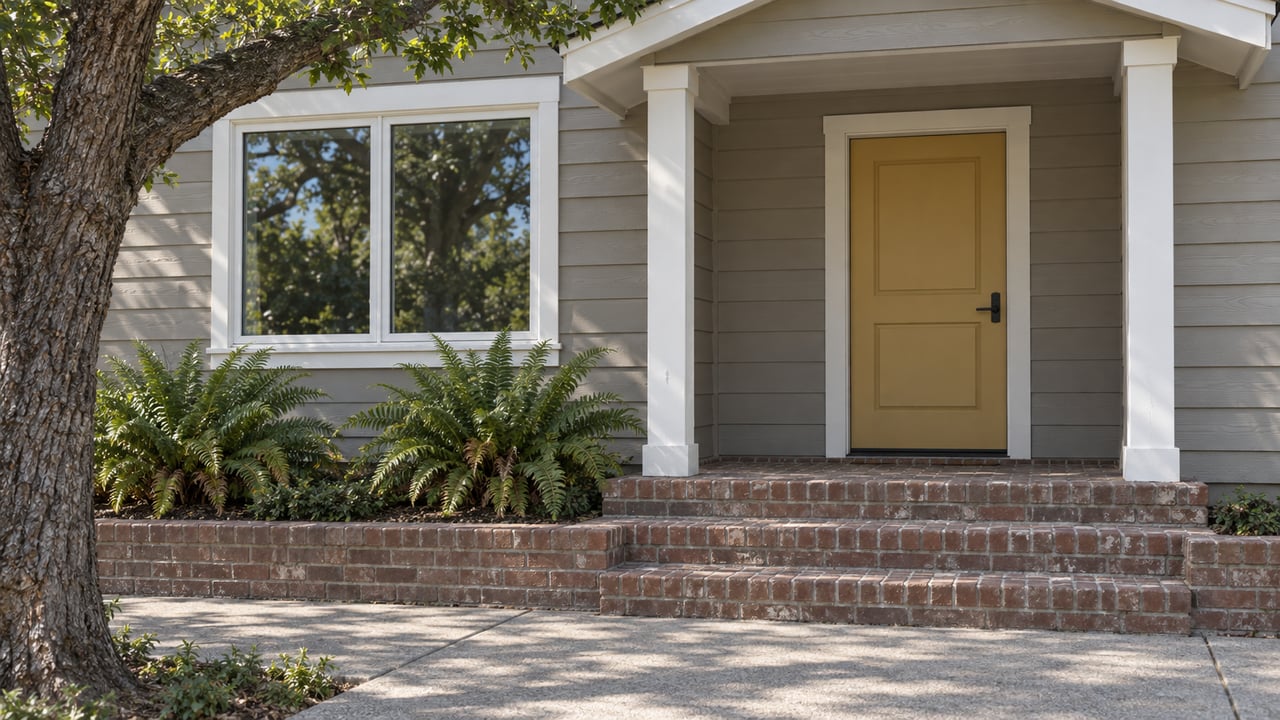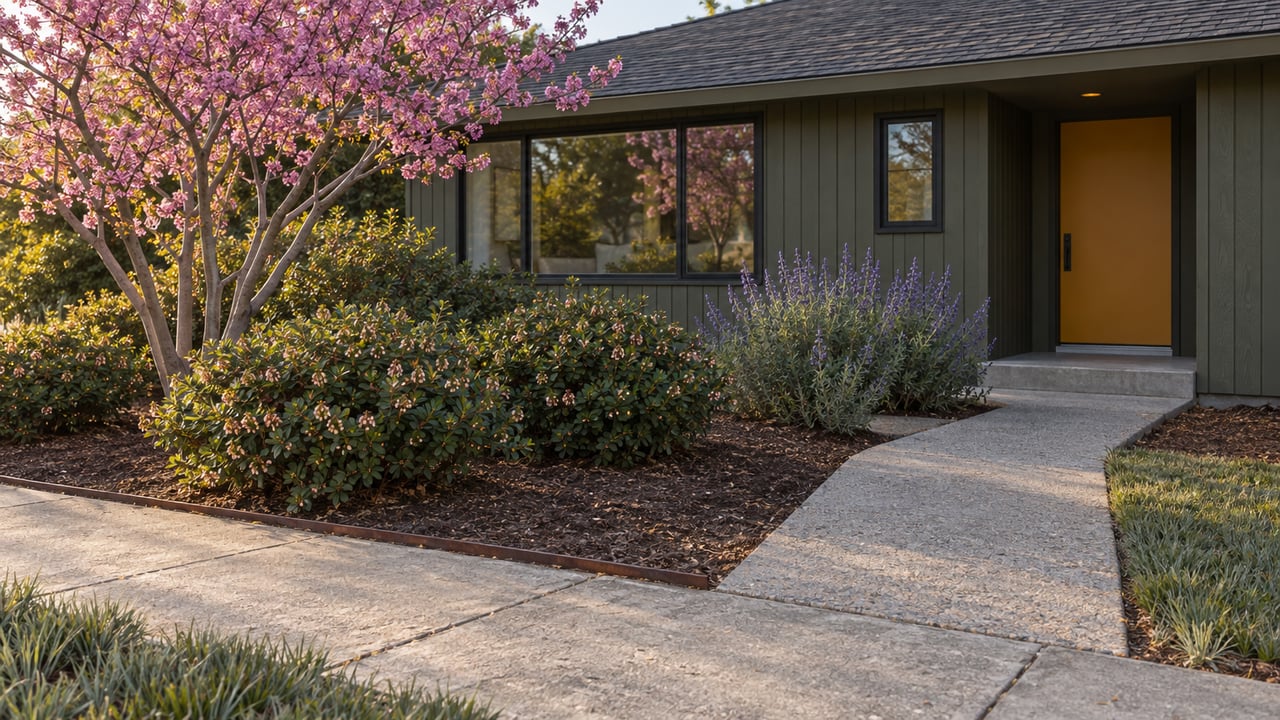
Wondering if it’s finally time to trade space for simplicity in San Carlos? For many longtime homeowners, downsizing is less about giving something up and more about gaining flexibility, freeing up equity, and moving into a home that fits the way you live now. If you are weighing whether to stay in San Carlos, move to a condo or townhome, or coordinate a sale and purchase without unnecessary stress, this guide will help you think through the practical and financial pieces first. Let’s dive in.
Why Downsizing Matters in San Carlos
Downsizing in San Carlos can be rewarding, but it is rarely a low-stakes decision. This remains a high-value Peninsula market, with June 2026 data showing home values and sale prices well into the multi-million-dollar range, along with relatively limited inventory.
That means your current home may hold substantial equity. It also means your next home, even if it is smaller, may still come with a meaningful price tag. In other words, downsizing here can improve lifestyle and reduce maintenance, but it does not always mean a dramatic drop in housing costs.
San Carlos also has a real smaller-home market. Current listing data shows 19 condos for sale and 2 townhomes for sale, which gives longtime owners a legitimate local path if they want less upkeep while staying in the city.
The challenge is that inventory remains limited. If you want to downsize successfully, it helps to know early which features matter most to you and where you are willing to compromise.
What Downsizing Can Solve
For many longtime owners, the biggest reason to downsize is not just square footage. It is the desire for a home that feels easier to manage, easier to maintain, and better aligned with daily life.
You may be ready to spend less time on yard work, repairs, and stairs. You may want a more walkable setting near shops, dining, and transit, or you may simply want to unlock equity from a home that has appreciated over many years.
San Carlos gives you a strong local case for this kind of move. The city’s planning materials describe downtown Laurel Street as a pedestrian-oriented area with shopping, dining, landscaping, and ongoing efforts to improve sidewalks, bicycle and pedestrian mobility, and transit access.
Transit is part of the appeal too. San Carlos station is an active Caltrain stop, and SamTrans lists connections including ECR, 260, 295, and 397. If you want a more car-light lifestyle, that can make a smaller home near downtown or the station area especially attractive.
Start With Net Proceeds
Before you start touring condos or townhomes, focus on what you are likely to net from the sale of your current home. That number gives you a much better foundation than simply picking a target purchase price.
In a market like San Carlos, sale price is only one part of the equation. You also need to understand taxes, timing, and how much cash you may want available for your next purchase.
One local cost to review early is documentary transfer tax. San Mateo County says transfer tax is due when a deed or other conveyance is recorded unless an exemption applies, and the county’s rate is 55 cents per $500 of value, or $1.10 per $1,000.
That may not be the largest line item in your move, but it is a reminder that your net proceeds matter more than the headline sale price. A clear estimate can help you decide whether buying first is realistic, whether selling first is safer, and what price range truly fits the next chapter.
Understand Prop 19 Early
For many longtime California homeowners, Proposition 19 is one of the most important parts of a downsizing plan. According to the California Board of Equalization and San Mateo County Assessor, eligible homeowners who are over 55, severely disabled, or victims of a wildfire or natural disaster may transfer the assessed value of their primary home to a replacement primary residence up to three times.
There are important rules attached to that benefit. The original home must be your principal residence at the time of sale, and the replacement home must generally be purchased or newly constructed within two years of the sale.
San Mateo County also notes that the change-in-ownership date controls whether Prop 19 applies. Claims are filed with the county assessor where the replacement home is located.
This is why downsizing plans work best when you discuss the sale timeline, search timeline, and tax timeline together. If you treat them as separate decisions, it is easier to miss a key deadline or make a move that limits your options.
Check Your Homeowners’ Exemption
Another detail worth confirming is your homeowners’ exemption status. San Mateo County says a qualifying owner-occupied principal residence can receive a $7,000 reduction in assessed value, and California law allows only one homeowners’ exemption per owner at a principal residence.
That may sound minor compared with the value of a San Carlos home, but it is still an important ownership detail during a move. Before one home closes and another begins, it is smart to make sure your principal-residence records are in order.
Plan the Sale and Purchase Together
Timing is often the hardest part of downsizing. San Carlos remains an active market, with June 2026 data showing homes selling around asking on average and Zillow reporting a median 11 days to pending.
That pace can create pressure on both sides of the move. If your current home sells quickly but replacement inventory is limited, you may need a plan that protects your flexibility.
Most downsizers are deciding among a few broad paths:
- Sell first and move into a temporary rental
- Buy first, if you have enough liquidity
- Coordinate both transactions with a leaseback or similar bridge arrangement
There is no one-size-fits-all answer. The right approach depends on your comfort with timing risk, your access to funds, and how important it is to stay in San Carlos versus expanding your search to nearby Peninsula areas.
Compare Homes by Lifestyle
When you downsize, the best choice is not always the smallest home. It is the home that supports the lifestyle you want next.
San Carlos gives you a few different ways to think about that decision. A condo or townhome may reduce exterior maintenance and place you closer to downtown, while a smaller detached home may preserve privacy and outdoor space.
Here are some of the most useful questions to ask yourself:
- Do you want single-level living?
- Are stairs acceptable?
- Do you want lower-maintenance HOA living?
- How much storage do you actually use?
- How important are guest space and parking?
- Do you want to be closer to downtown and transit?
- Do you want to remain in San Carlos, or widen the search nearby?
Those answers will shape your search more than bedroom count alone. A well-located two-bedroom condo may serve you better than a larger home that still requires the upkeep you are trying to leave behind.
Consider Walkability and Support
Lifestyle is not just about the home itself. It is also about what becomes easier once you move.
For some longtime owners, that means being able to walk to coffee, dinner, or errands on Laurel Street. For others, it means simplifying transportation, cutting down on home maintenance, or choosing a setting that feels more manageable over time.
Local support can matter too. San Carlos says the Adult Community Center has served the community for more than 35 years and focuses on healthy lifestyles, lifelong learning, and independence. City materials also describe meals four days a week, home delivery for San Carlos residents, and free or low-cost programs and activities.
If you are planning for the next decade and not just the next move, these quality-of-life factors deserve real weight. Downsizing is often as much a future-planning decision as it is a housing decision.
A Practical Downsizing Checklist
If you want to move forward with more clarity, start here:
- Estimate likely net sale proceeds before shopping
- Review whether Prop 19 may apply to your move
- Confirm your homeowners’ exemption status
- Decide whether sale proceeds are needed to buy the next home
- Set priorities for layout, location, and maintenance level
- Plan for staging, storage, and moving early
- Consider whether a temporary rental or leaseback would reduce stress
A well-structured plan can make the process feel far more manageable. It can also help you act decisively when the right smaller home becomes available.
Downsizing in San Carlos is not simply a financial exercise. It is a chance to align your home with how you want to live now, while making careful use of the equity and opportunities you have built over time. If you want experienced, discreet guidance on pricing your current home, evaluating timing, and comparing your next options on the Peninsula, schedule a private consultation with Allen Nazari.
FAQs
What does downsizing in San Carlos usually mean for longtime homeowners?
- In San Carlos, downsizing often means moving from a larger single-family home into a smaller house, condo, or townhome to reduce maintenance, improve walkability, or unlock equity in a still-expensive market.
How fast do homes move when downsizing in San Carlos?
- June 2026 market data shows San Carlos remains relatively active, with Zillow reporting a median 11 days to pending and Realtor.com characterizing the market as a seller’s market.
How many condo and townhome options are available in San Carlos?
- Current listing data cited in the research report shows 19 condos and 2 townhomes for sale in San Carlos, which suggests there are local downsizing options, though inventory remains limited.
How does Proposition 19 affect a San Carlos downsizing move?
- San Mateo County says eligible homeowners may be able to transfer the assessed value of their primary residence to a replacement primary residence, subject to Prop 19 rules including timing and principal-residence requirements.
What local tax should San Carlos sellers remember when downsizing?
- San Mateo County says documentary transfer tax is generally due when a deed is recorded unless an exemption applies, with a stated rate of $1.10 per $1,000 of value.
Why should San Carlos homeowners estimate net proceeds before buying the next home?
- A net-proceeds estimate helps you understand what funds may be available after sale-related costs, which is important in a high-price market where even smaller replacement homes can still be expensive.