If you want a Peninsula city where daily life feels simple, connected, and easy to settle into, Belmont deserves a close look. You may be weighing commute access, home style, and whether a neighborhood supports the kind of routine you actually want, not just the kind that looks good on paper. In Belmont, that answer often comes down to its village-style layout, where errands, dining, transit, and outdoor time are spread across a few practical hubs instead of one overwhelming center. Let’s take a closer look.
Belmont’s Village Feel
Belmont is a compact city in San Mateo County with about 4.6 square miles of residential areas, wooded hills, Bay views, and open space. The city describes itself as a quiet residential community with a small-town ambiance, and that framing helps explain why everyday life here often feels manageable and local.
Rather than revolving around one large commercial district, Belmont functions more like a series of connected neighborhood nodes. That pattern gives you options for how you move through the week, whether you want a walkable downtown routine, a quick errand stop, or easy access to trails and parks.
Belmont Village as a Daily Hub
Downtown Belmont, often referred to as Belmont Village, is the city’s pedestrian-oriented mixed-use core near the Caltrain station. City planning documents describe this area as a place intended to support lively public spaces, social connectivity, and a stronger link between housing, retail, and transit.
For you, that translates into a daily routine that can feel more flexible. If you live near the village core, grabbing coffee, meeting for dinner, or taking care of basic errands may not require a long drive every time.
The city also ties Belmont Village closely to transit, jobs, shopping, and services. That makes the area especially relevant if you want a lifestyle shaped by convenience and access rather than constant back-and-forth driving.
What daily life can look like
Living near Belmont Village can support a rhythm like this:
- Morning coffee or a quick breakfast stop on foot
- A Caltrain commute from Belmont station at 995 El Camino Real
- Evening restaurant visits or simple errands close to home
- Weekend visits to the station-area community events
This part of Belmont is also where mixed-use and higher-density housing is most concentrated. If you are considering a condo, apartment-style residence, townhome, or a home near transit, this is one of the clearest areas to watch.
Carlmont Village for Everyday Errands
Belmont’s second major everyday hub is Carlmont Village Shopping Center at 1049 Alameda de las Pulgas. The center describes itself as Belmont’s local shopping center and includes more than 45 shops and restaurants, giving residents another practical anchor for day-to-day needs.
This matters because it adds balance to how the city functions. You are not relying only on downtown Belmont for every routine stop, which helps reinforce the city’s village-style feel.
If Belmont Village is the transit-oriented core, Carlmont Village is the convenience hub. It is the kind of place that can support grocery runs, casual meals, and short errand loops without turning them into a major trip.
Why the two-hub pattern works
Belmont’s layout supports a lifestyle that feels local in more than one direction. Instead of funneling all activity into a single center, the city gives you multiple places to get through the week efficiently.
That can be especially appealing if you value time, predictability, and a neighborhood that works well on ordinary days. In many cases, the quality of everyday living comes down to how easily you can move between home, errands, dining, and transit.
Local Dining and Small-Scale Retail
Belmont’s business pattern leans local and service-oriented. The city’s Business Spotlight page regularly features neighborhood-scale businesses and restaurants, which supports the idea that Belmont’s dining scene is shaped more by practical local stops than by major destination retail.
That creates a different feel from cities built around large shopping districts. In Belmont, dining and retail tend to fit into your routine rather than dominate it.
City planning also supports community-serving retail and services along El Camino Real outside the Belmont Village core. So even beyond downtown, Belmont’s commercial activity remains tied to daily convenience and neighborhood use.
Parks and Open Space Shape the Week
One of Belmont’s strongest lifestyle advantages is how easily outdoor time can become part of your regular routine. The city offers 14 developed parks on 31 acres, along with 337 acres of open space for hiking, running, and biking.
That amount of open space gives Belmont a more balanced feel than you might expect from a centrally located Peninsula city. You can stay connected to commute routes and services while still having meaningful access to trails, wooded areas, and views.
Parks and open spaces are generally open from 30 minutes before sunrise until 30 minutes after sunset. That schedule supports both early-morning outings and evening walks, which can make a real difference in how usable these spaces feel during the week.
Twin Pines Park as a civic gathering place
Twin Pines Park is a 19-acre ravine park along Ralston Avenue with picnic areas, a playground, open-space trails, restrooms, and rental facilities. It also houses City Hall, the Parks and Recreation Department, the historical museum, and the Senior and Community Center.
That combination makes Twin Pines Park feel like more than a green space. It serves as a civic gathering place where recreation and city life meet in a very visible, everyday way.
Waterdog Lake for trail routines
Waterdog Lake and Open Space is one of Belmont’s key trail-oriented amenities, with multiple trailheads including Hallmark, Lake Road, 2400 Lyall Way, and 2642 Carlmont Drive. The city identifies it as part of the local trail network, open sunrise to sunset.
If your ideal weekend includes hiking, dog walking, or a quick reset outdoors, this is one of the places that helps define Belmont’s lifestyle. It adds a practical outdoor option without requiring you to leave town.
Smaller parks, views, and dog-friendly options
Belmont’s smaller parks also add to the city’s everyday appeal. Wakefield Park offers Bay views and nearby hiking and biking trail access, while Cipriani Park and Dog Park is Belmont’s only dedicated dog park.
These details may seem small, but they help explain why outdoor routines feel so natural here. In a city like Belmont, lifestyle often comes from the accumulation of useful places rather than one headline attraction.
Weekend Routines Around the Station
The Belmont Caltrain station area does more than support commuting. The station parking lot also hosts a Sunday farmers market and Monday Off the Grid food trucks, creating recurring activity that adds to the village atmosphere around downtown.
For residents, that can make the station area feel active even when you are not catching a train. It becomes part of your weekend pattern, not just a transportation stop.
This is one of the clearest examples of how Belmont blends function with community life. Transit, local events, and neighborhood routines all meet in the same place.
Commuting From Belmont
Belmont’s location on the Peninsula is a practical advantage for many buyers. The city notes access to Highway 101, Highway 82 or El Camino Real, Interstate 280, and Caltrain, and describes Belmont as roughly halfway between San Francisco and San Jose.
If your week includes commuting up or down the Peninsula, that central position can make Belmont easier to work into your routine. The presence of both rail and highway access gives you flexibility depending on your schedule and destination.
Belmont station also includes weekday and weekend train service, elevator access, bike racks, BikeLink e-lockers, and 375 parking spaces. Those details can matter if you are comparing convenience among Peninsula communities.
How Home Types Vary by Area
Belmont’s housing mix reflects its two-part identity. According to the city’s housing element, Belmont’s 2020 housing stock was 58.0% detached single-family homes and 32.9% multi-family homes with five or more units.
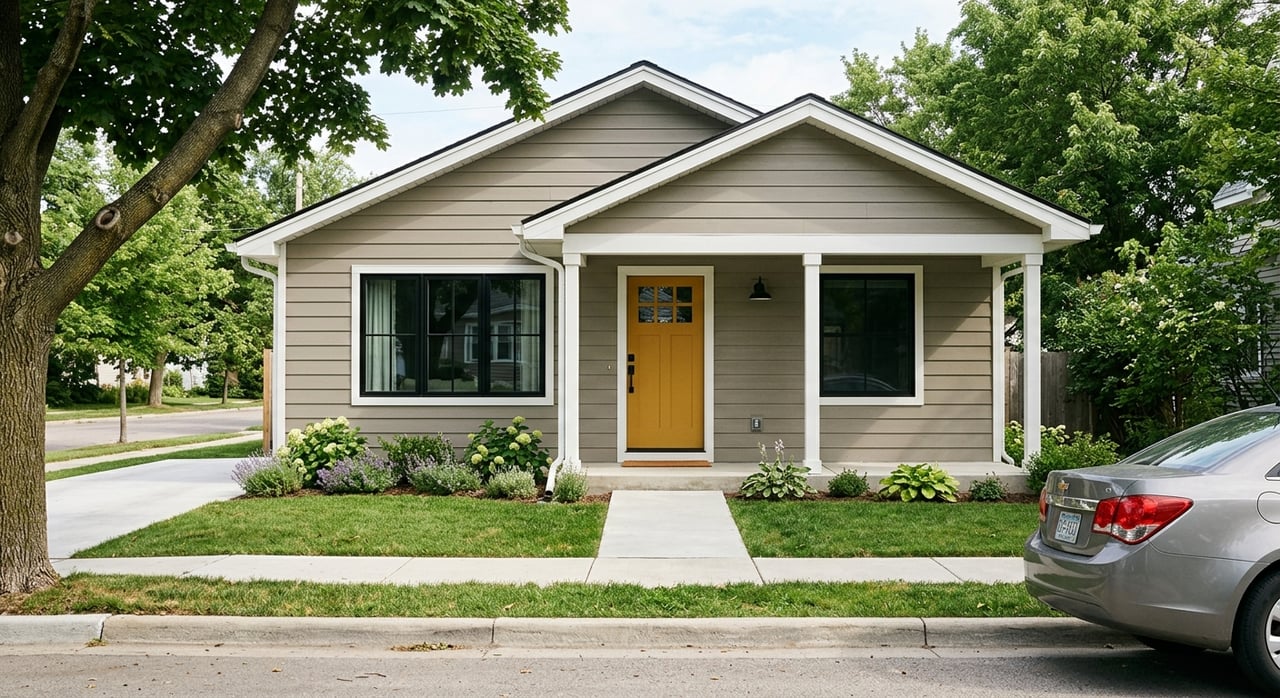
The city also notes that zoning allows a variety of housing types, including townhouses, multi-family homes, and accessory dwelling units in many areas. That gives buyers a wider range of options than a quick drive-through might suggest.
Closer to the village core
Near Belmont Village and along El Camino Real, denser housing and mixed-use development are more common. This is generally the area to consider if you want easier access to Caltrain, restaurants, services, and a more walkable everyday routine.
For some buyers, that means a lower-maintenance home and less dependence on driving. For others, it may offer a practical entry point into the Peninsula market through a condo or townhome.
In the hills and quieter residential areas
The city’s land-use documents distinguish the western portion of Belmont by the San Juan Hills, while the village core is identified separately as a mixed-use, higher-density area. In practical terms, the hill neighborhoods are more likely to feel detached-home oriented and view-driven.
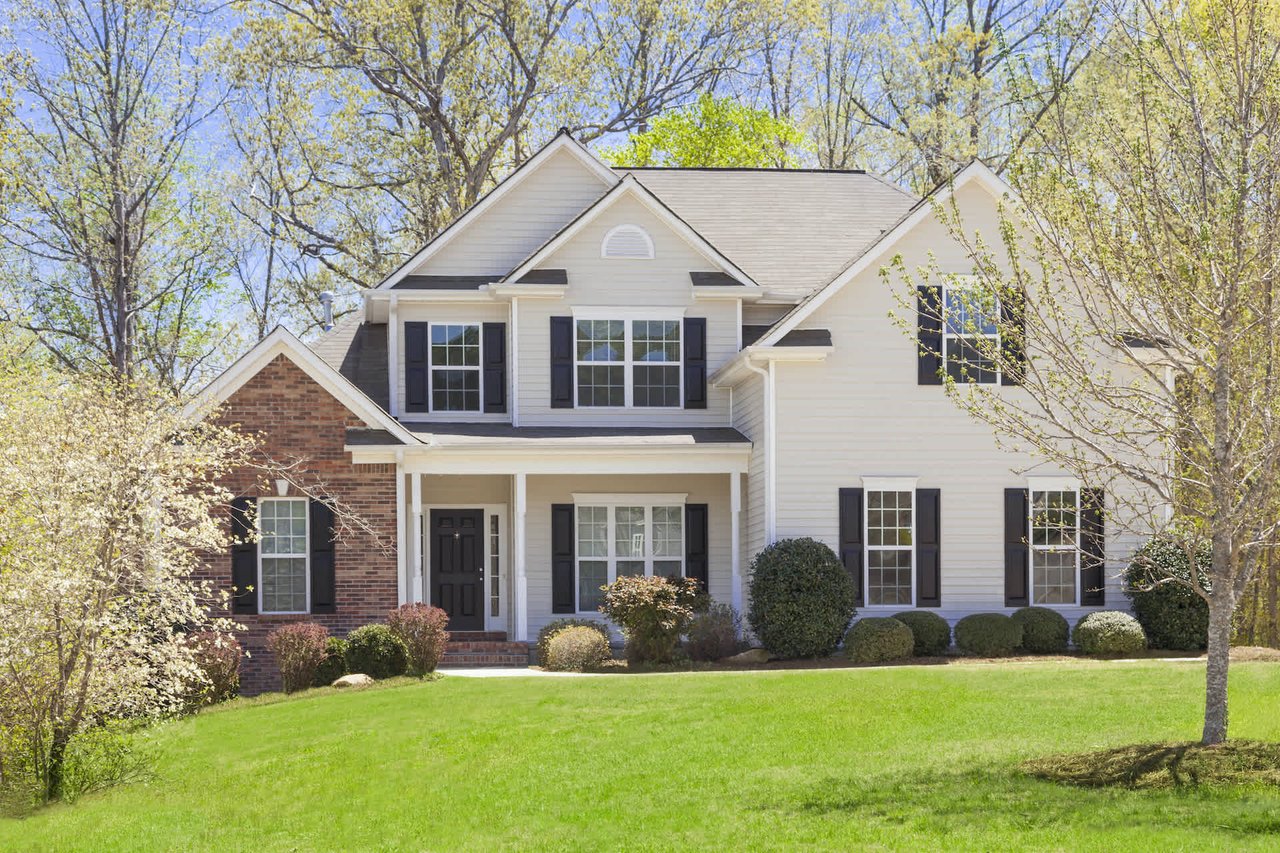
If you prefer a quieter residential setting, more separation between homes, or a stronger single-family character, those areas may align better with your goals. Your best fit often depends on whether you prioritize walkability, home size, views, or commute convenience.
Choosing the Right Belmont Lifestyle
Belmont works well for buyers who want daily life to feel efficient without feeling rushed. Its village-style structure supports different ways of living, from transit-connected routines near downtown to more residential settings in the hills.
The key is to match your housing choice to the version of Belmont you want to experience most often. If you value being close to restaurants, the station, and mixed-use activity, the village core may stand out. If you want a more traditional residential feel with easier access to open space and views, the hillside areas may be more compelling.
That kind of block-by-block perspective matters in Belmont. A well-informed search can help you focus on the part of the city that fits your routine, priorities, and long-term plans.
If you are considering a move in Belmont or comparing neighborhoods across the Mid-Peninsula, Allen Nazari can help you evaluate the lifestyle, housing mix, and location tradeoffs with clear, senior-level guidance.
FAQs
What is Belmont Village in Belmont, CA?
- Belmont Village is the city’s pedestrian-oriented, mixed-use downtown core near the Caltrain station, with housing, retail, restaurant, and transit access concentrated in the area.
What is everyday life like in Belmont, CA?
- Everyday life in Belmont often centers on two main hubs, Belmont Village for transit and walkability, and Carlmont Village for errands and casual dining, with parks and open space woven into weekly routines.
What parks support outdoor living in Belmont, CA?
- Belmont offers 14 developed parks and 337 acres of open space, including Twin Pines Park, Waterdog Lake and Open Space, Wakefield Park, and Cipriani Park and Dog Park.
What kinds of homes are common in Belmont, CA?
- Belmont includes a mix of detached single-family homes, multi-family housing, townhomes, and accessory dwelling units, with denser housing generally closer to Belmont Village and more detached-home settings in the hills.
How does commuting work from Belmont, CA?
- Belmont offers access to Caltrain, Highway 101, El Camino Real, and Interstate 280, and the city describes itself as roughly halfway between San Francisco and San Jose.