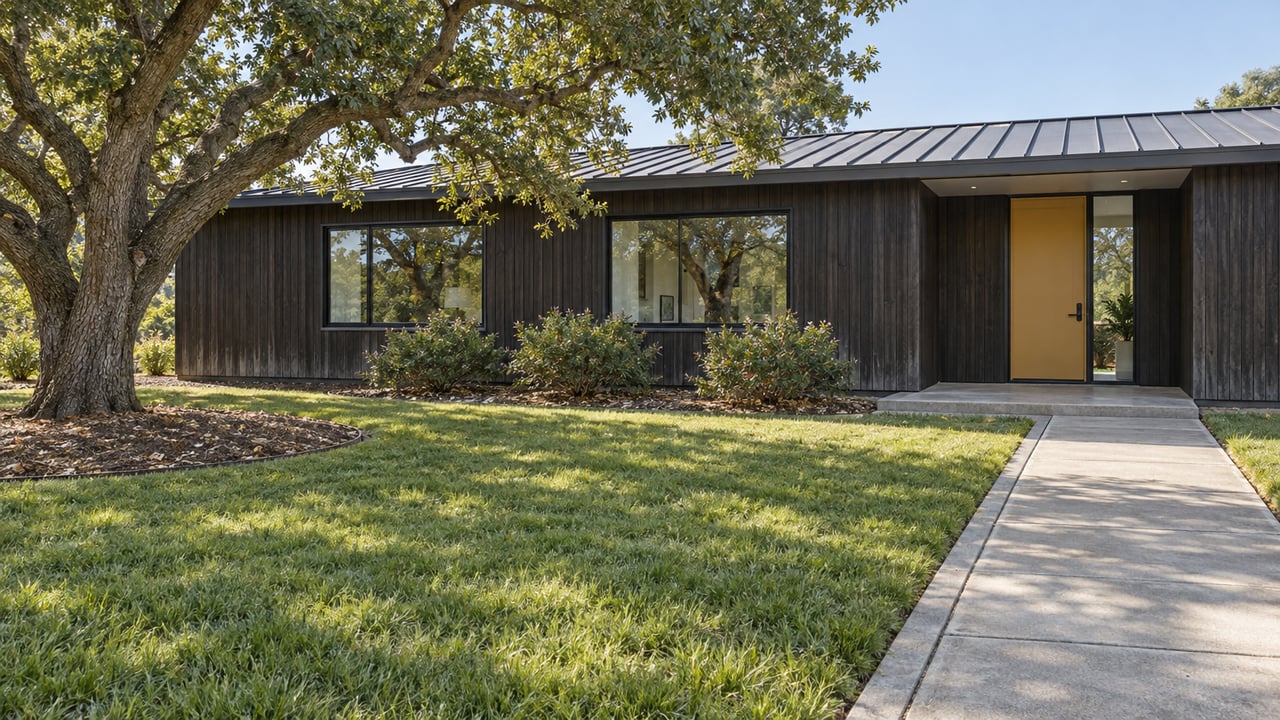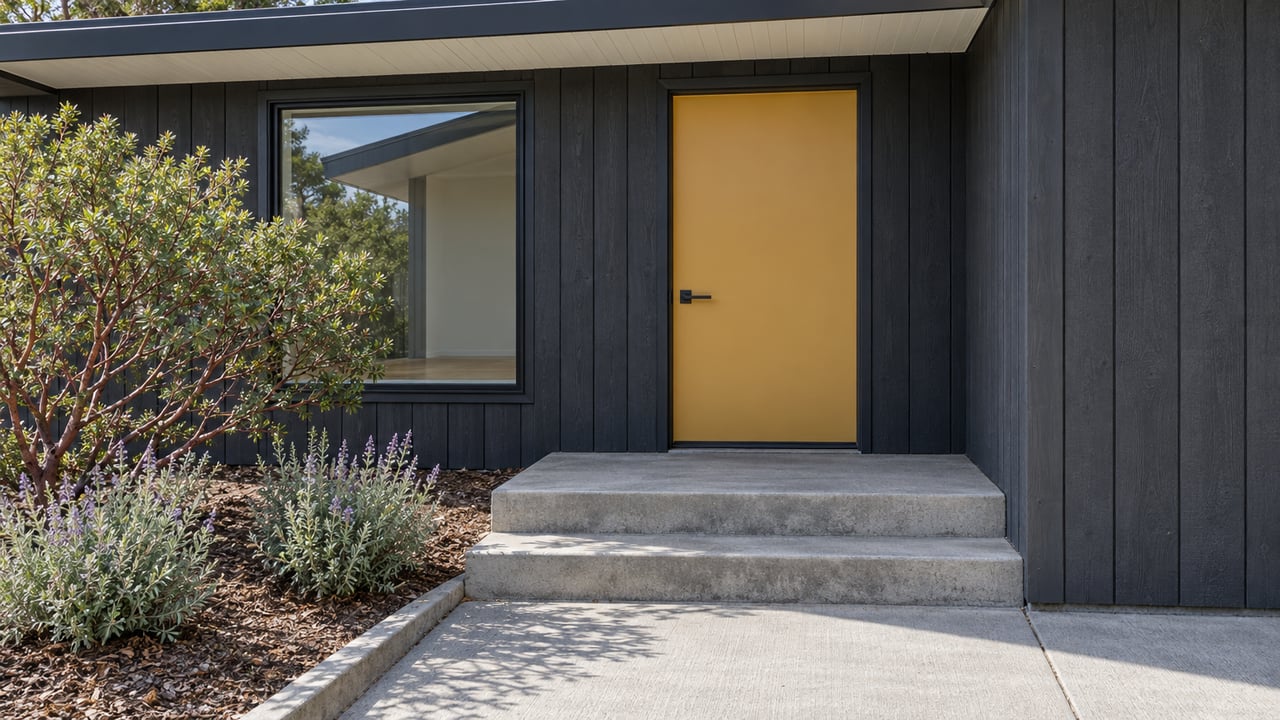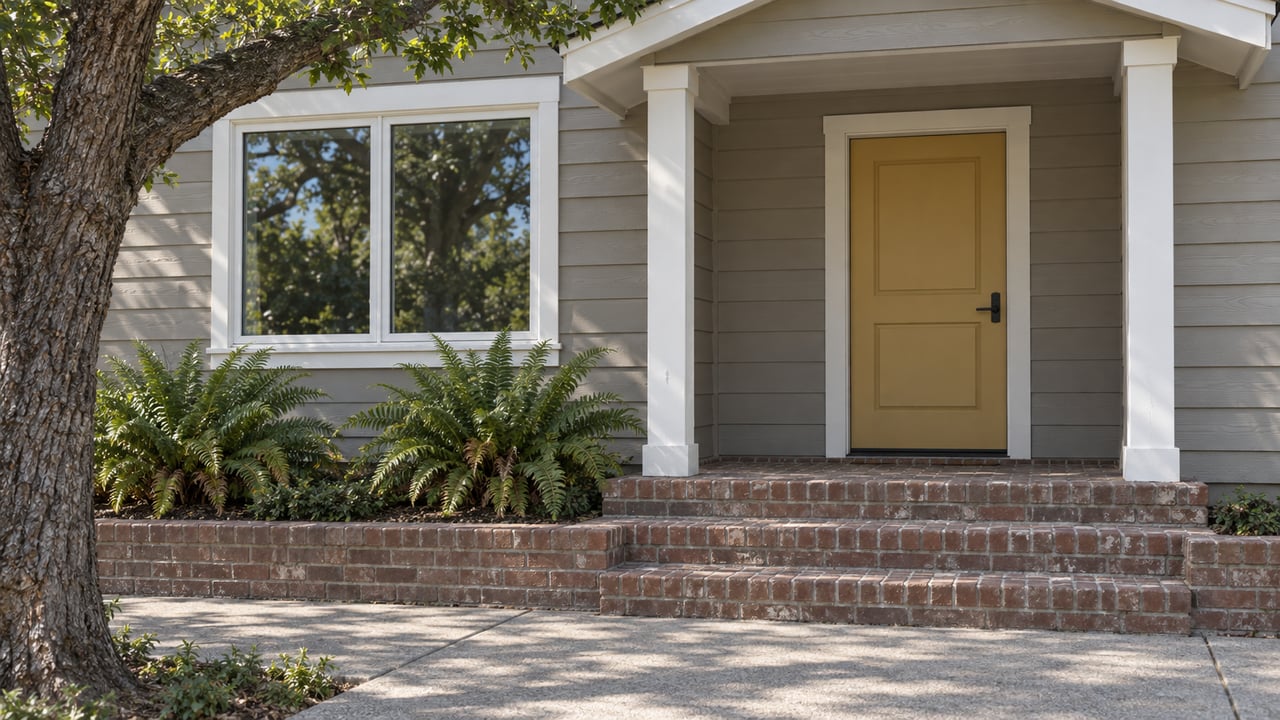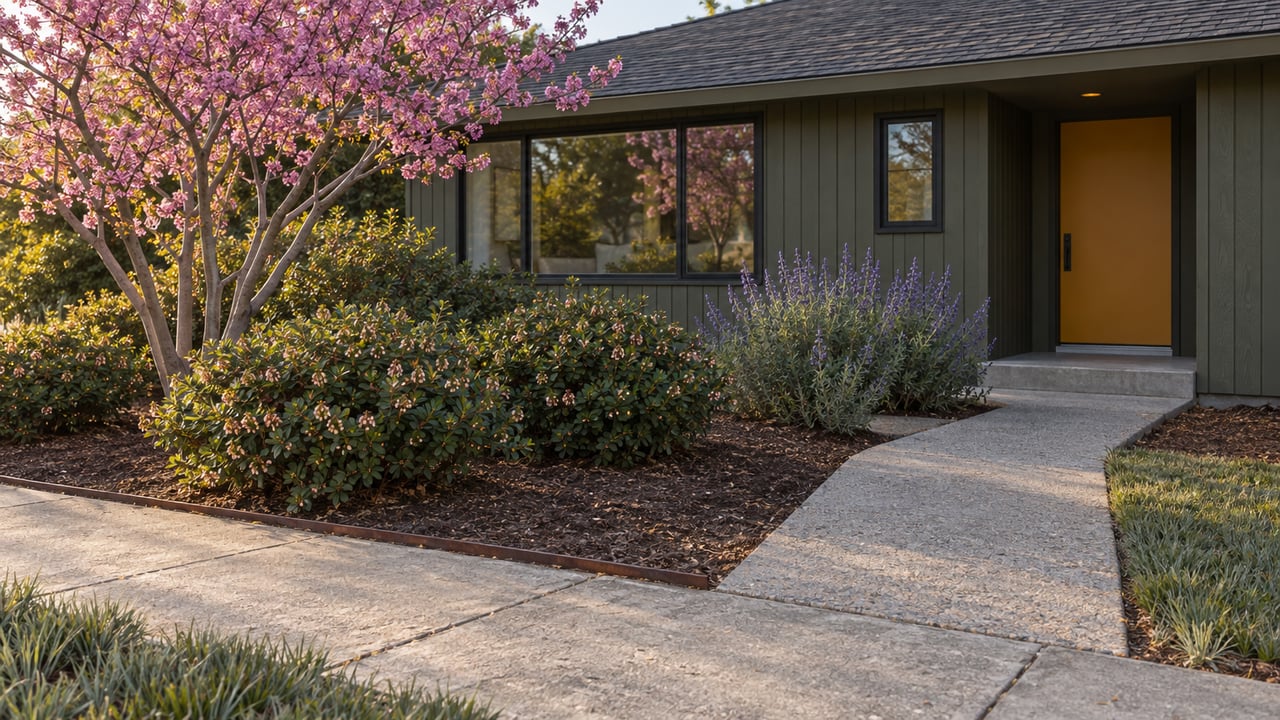
Trying to pick the right Redwood City neighborhood can feel like comparing apples to oranges. You want to balance commute and downtown access with space, privacy, and maybe even a view. This guide breaks down four popular micro-markets so you can focus on what matters most to you. You will see clear tradeoffs, buyer steps, and seller tips based on local patterns. Let’s dive in.
How to use this guide
- If you are buying: use the comparisons to narrow your search and plan on-the-ground visits.
- If you are selling: use the checklists to spotlight the strongest features of your micro-area.
- Across all sections: think in tradeoffs. Walkability to downtown and Caltrain usually competes with lot size, privacy, and topography-driven views.
At a glance: 4 micro-markets
| Micro-area | Typical homes | Lots | Walkability/Transit | Parks/Open space | Buyer priorities |
|---|---|---|---|---|---|
| Mount Carmel | Mix of mid-20th-century single-family, some renovations | Medium, mostly regular and less steep | Short drive or transit to downtown/Caltrain; block-by-block walkability | Neighborhood and city parks nearby | Value, convenience, traditional homes |
| Roosevelt | Post-war single-family to updated homes | Smaller to medium; some denser blocks | Closer to downtown corridors with better street connectivity on many blocks | Neighborhood parks and playgrounds | Proximity to downtown at a lower entry point |
| Redwood Oaks | Larger, often remodeled or higher-end single-family | Larger, mature landscaping; room for amenities | Less walkable; driving to downtown or Caltrain is common | Near local open space; greenbelt feel on some parcels | Space, privacy, yard and expansion potential |
| Farm Hill | Mid-century hillside homes, many with views | Larger, sloped, terraced; retaining features common | Lower walkability; short to moderate drive to downtown and station | Close to trails and ridge open space | Views, privacy, prestige |
Mount Carmel snapshot
Housing and lots
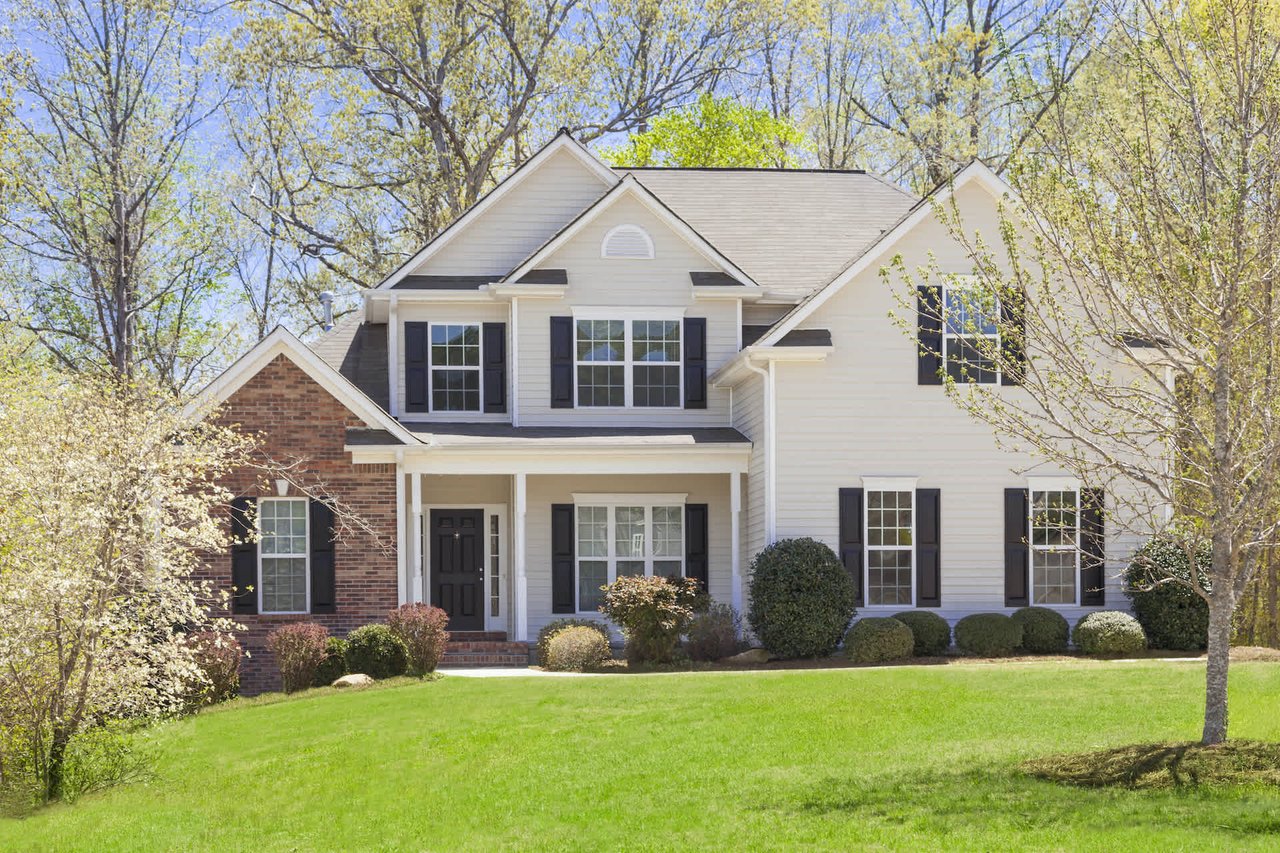
Mount Carmel offers a mix of single-family homes from the 1930s to the 1970s, along with later renovations. Lots are generally medium-sized and more regular than hillside areas. You see fewer steep slopes than in true hill neighborhoods.
Access and amenities
Many blocks are a short drive or transit ride to downtown and the Caltrain station. Walkability varies by street connectivity and sidewalk presence. Residents often head to the Broadway corridor for restaurants and cafes.
Who it fits
Mount Carmel tends to attract buyers seeking traditional homes, convenient access, and value compared with hillside or view-focused neighborhoods. It suits those who want balance without challenging topography.
Roosevelt snapshot
Housing and lots
Roosevelt features single-family homes ranging from modest post-war properties to updated houses. Lot patterns can be denser on some streets, with smaller to medium yard spaces.
Access and amenities
Many blocks sit closer to downtown corridors and benefit from better street connectivity. Walkability is stronger in parts of Roosevelt, though it can vary by block. Residents rely on nearby city parks and community resources.
Who it fits
Roosevelt often appeals to first-time buyers and downsizers, as well as anyone prioritizing proximity to downtown at a lower entry price than premium hill areas.
Redwood Oaks snapshot
Housing and lots
Redwood Oaks includes larger single-family homes, many newer or substantially remodeled. You will find more custom or semi-custom architecture and larger lots with mature trees. Some parcels have room for accessory structures or a pool.
Access and amenities
Walkability is lower due to lot size and lower density. Most residents drive to downtown dining or the Caltrain station. The neighborhood offers a sense of privacy and, in places, adjacency to open space.
Who it fits
If you want space for a backyard lifestyle, home offices, or future additions, Redwood Oaks rises to the top. Buyers seeking privacy and usable yard area tend to focus here.
Farm Hill snapshot
Housing and lots
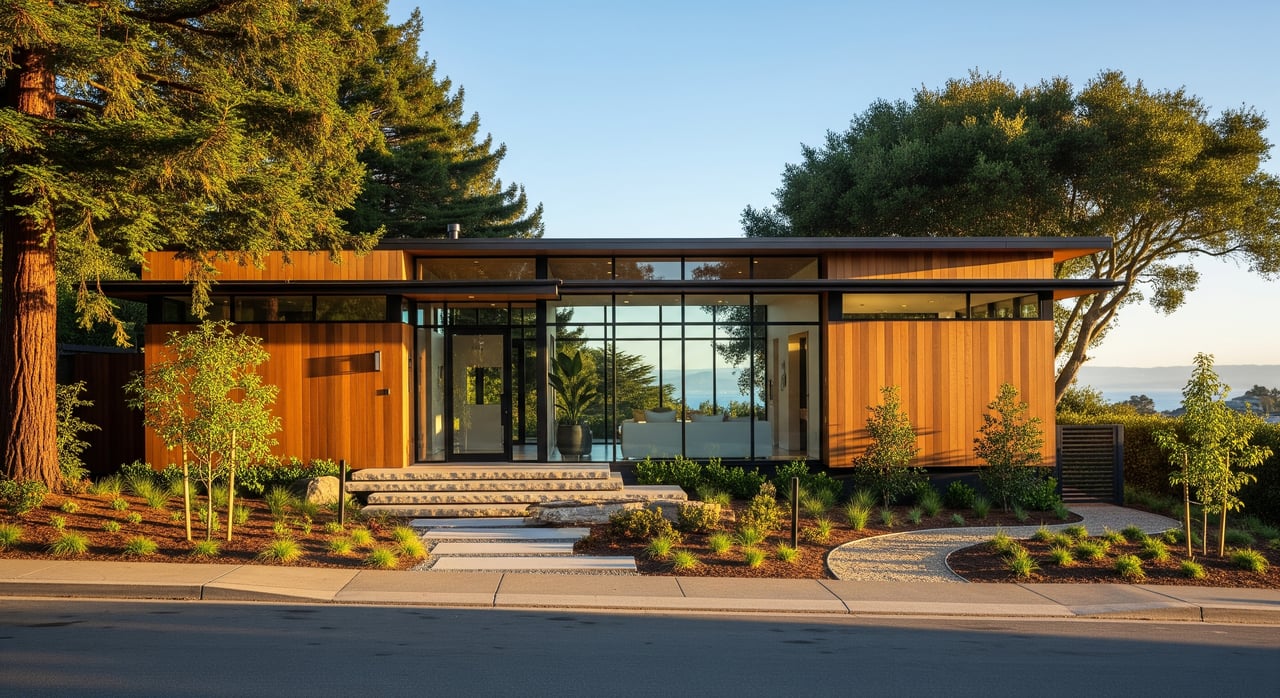
Farm Hill is known for its hillside setting and mid-century homes, many updated or expanded. Lots are larger but often sloped, with terracing, retaining walls, and multi-level yard layouts.
Access and amenities
Walkability is lower because of winding hillside streets. Drive times to downtown are short to moderate, with typical station access by car. Proximity to ridge trails and wooded open space is a key draw.
Who it fits
Farm Hill attracts buyers who value views, privacy, and a premium hillside feel. Many accept reduced walkability in exchange for vistas and larger lots.
Pricing drivers that matter
- Lot size and usable space: Larger, flatter yards push value and widen the buyer pool, especially in Redwood Oaks and level sections of Farm Hill.
- Topography and views: View homes in Farm Hill often command premiums. Steeper lots can limit yard usability and remodel options, which affects price.
- Downtown and Caltrain access: Short, walkable access supports demand and price per square foot in parts of Roosevelt and Mount Carmel.
- Condition and remodel level: Across all areas, recent kitchen and bath updates and modern systems deliver outsized pricing benefit. In higher-end pockets, quality finishes are expected.
- School boundaries: Always verify the current attendance maps before making decisions, since boundaries can shift over time.
- Privacy and landscaping: Mature trees and privacy buffers are compelling in Redwood Oaks and Farm Hill.
Buyer steps to choose
- Do a neighborhood walk test: Visit at different times to gauge street activity, noise, lighting, and parking.
- Simulate your commute: Time the drive to the Caltrain station and downtown during peak hours. Note pedestrian routes where relevant.
- Confirm school attendance: Check district boundary maps for the specific address before you decide.
- Verify the lot: Review parcel size, shape, and slope. Look for retaining walls and drainage features on hillside sites.
- Study recent comps: Focus on solds within the same micro-market over the last 6 to 12 months. Pay close attention to price per square foot, days on market, and condition.
- Plan for the future: If you want an ADU or addition, review zoning and setbacks and consider lot usability.
Seller positioning tips
Mount Carmel and Roosevelt
- Emphasize proximity to downtown, Caltrain, and neighborhood schools.
- Highlight recent updates, efficient floor plans, and low-maintenance yards.
- If your block is walkable to Broadway, showcase pedestrian routes and community events.
Redwood Oaks
- Lead with lot size, flat usable yard, privacy, and mature landscaping.
- If you are near open space, spotlight trail access and quiet streets.
- Present options for expansion or ADU potential after confirming local regulations.
Farm Hill
- Emphasize views, privacy, and outdoor living spaces.
- Provide details on slope, retaining walls, drainage, and driveway grades.
- Note any maintenance or resilience features relevant to hillside living.
Work with a local advisor
Each Redwood City micro-market rewards a tailored strategy. Choosing the right block, the right lot, and the right pricing approach can make a meaningful difference in outcome. If you want discrete, senior-level guidance grounded in local expertise, connect with Allen Nazari for a private consultation.
FAQs
How walkability varies across Redwood City micro-markets
- Mount Carmel and Roosevelt offer stronger proximity to downtown and Caltrain on many blocks, while Redwood Oaks and Farm Hill typically require short drives.
What drives view premiums in Farm Hill
- Views, privacy, and larger hillside lots often add value, but steep topography and limited usable yard area can moderate premiums.
How lot size affects value in Redwood Oaks
- Larger, flatter yards with mature landscaping support demand and future-use flexibility, which can improve price and broaden the buyer pool.
How to compare comps between neighborhoods
- Start with solds in the same micro-market, then adjust for lot size, view, walkability to downtown/Caltrain, and condition when using nearby but different areas.
What to check before adding an ADU
- Confirm zoning, setbacks, and lot usability, then review parcel dimensions and any slope or retaining structures that could affect design.
How school boundaries factor into a purchase
- Verify the current attendance area for your exact address, since district boundaries can change and may affect your decision.