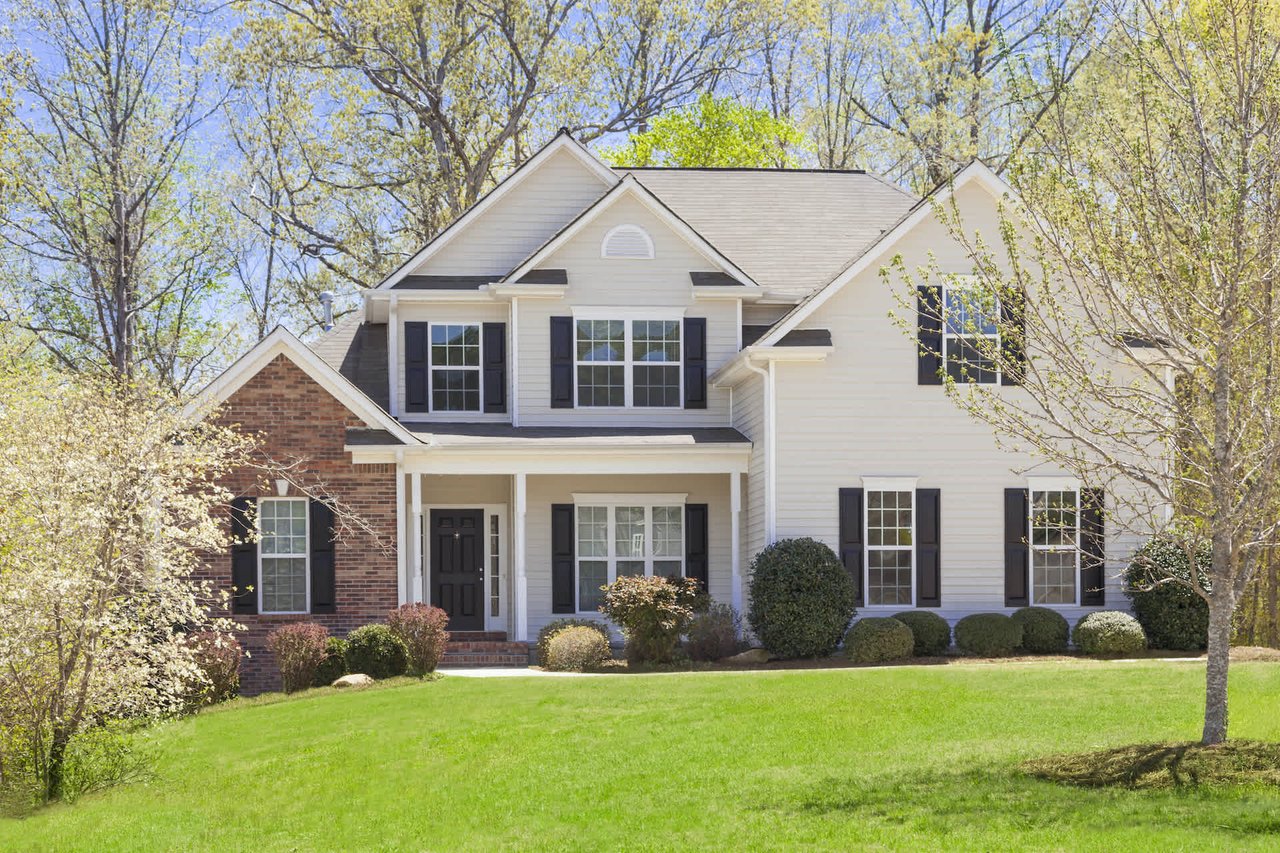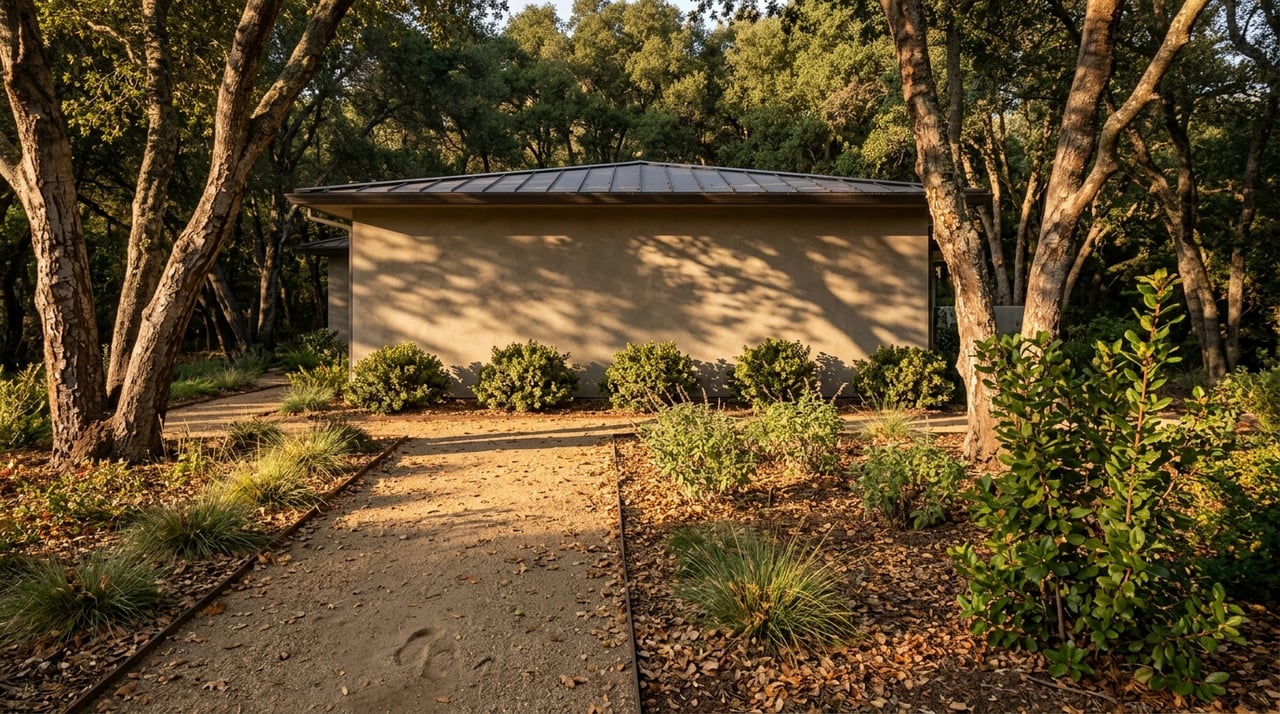
A Woodside seller pulls up the county's fire hazard severity zone map before listing, checks the color under their parcel, and breathes easier because it reads "moderate" instead of "high" or "very high." For years, that check meant something. It told you whether Woodside Fire Protection District would require a defensible space inspection before your buyer could close. As of the district's current Fuel Mitigation Ordinance, it doesn't tell you that anymore.
The map still exists. It just stopped being the gate. Under Ordinance No. 24-01, Woodside Fire Protection District now requires the same real estate disclosure inspection across its entire service area, which covers the Town of Woodside, the Town of Portola Valley, and unincorporated pockets including Emerald Hills, Ladera, Los Trancos, and Skyline Boulevard. Zone color no longer excuses you. If your parcel sits inside the district's boundary, the inspection applies, full stop.
The assumption that quietly stopped being true
Before this change, the AB38 disclosure inspection followed the state's default logic: it kicked in when a property sat inside a High or Very High Fire Hazard Severity Zone. Sellers on flatter, less brushy lots in Woodside's lower-lying pockets could reasonably assume they were outside that box and skip the conversation entirely. Ordinance No. 24-01 closed that gap. The district decided zone-by-zone enforcement wasn't matching the actual wildland-urban interface risk across its footprint, so it made the inspection universal. A seller relying on last year's understanding of the rule, or on a general California disclosure checklist that treats fire inspections as a hazard-zone issue, will walk into escrow with a gap in the paperwork nobody flagged.
This matters because the inspection is not a box you check on a form. It is a physical visit from a district inspector who measures actual conditions against a fuel mitigation standard and produces a report documenting the inspection's findings.
What the district actually checks, and what it costs
The process is specific enough that a seller can plan around it once they know the sequence:
- Request the inspection directly from Woodside Fire Protection District, not from a private contractor or your home inspector. The district's own inspectors or defensible space inspectors handle it.
- Pay the inspection fee. The district's current fee schedule lists the AB38 Fire Safety Real Estate Disclosure Inspection at $498.03, which covers up to two visits, typically an initial inspection and one follow-up if corrections are needed. Sellers working from an older printout or a saved page from the district's own site may still see a $180 figure. That number is outdated. Confirm the current fee before budgeting for it.
- The inspector evaluates a 100-foot perimeter around each structure, checking vegetation clearance, roofing, vents, and other fuel mitigation items against the district's fuel mitigation standard.
- If the property passes, you get documentation of compliance. That report has to be provided to the buyer before or at close of escrow.
- If it doesn't pass, you correct the flagged items and request reinspection, using the second visit included in the fee, before the report can be issued.
None of this is unusual for a rural or wildland-adjacent market. What's easy to miss is how the timing clock is set.
The six-month window runs from closing, not from listing
The ordinance states that compliance documentation obtained within the six months preceding the close of escrow satisfies the disclosure requirement. That clock is anchored to closing, not to the day you list or the day the inspector shows up.
This creates a specific and avoidable failure mode. A seller who orders the inspection the week they list, expecting a quick 30 to 45 day escrow, is fine. A seller who lists in a slower window, negotiates a longer close, or hits a financing delay that pushes the transaction past the six-month mark from inspection date can find their compliance paperwork has technically expired before the deal closes. At that point you're not just re-filing a form. You're scheduling and paying for a second inspection, potentially while you're already deep into a transaction with a buyer who is watching the calendar.
The practical fix is straightforward once you know it exists: time the inspection request to your realistic closing window, not your listing date, and build a buffer if your property is the kind that tends to sit longer or attracts offers with extended contingency periods.
Why this inspection is a harder gate than your septic or well disclosure
Woodside has a meaningful share of homes on private septic systems and wells, which is common across unincorporated San Mateo County. That risk gets handled in a completely different way from the fire inspection, and conflating the two is where sellers get tripped up.
| Fire district inspection | Septic and well | |
|---|---|---|
| Who verifies it | Woodside Fire Protection District, in person | The seller, via California's Transfer Disclosure Statement |
| Trigger | Every sale within the district | Known material defects only |
| Proof required | A physical inspection report with a pass or fail result | A self-reported disclosure form |
| Governing body | Woodside Fire Protection District ordinance | State disclosure law, plus San Mateo County Environmental Health Services when a permit or construction project touches the system |
Septic and well condition in a Woodside sale is handled through disclosure. You state what you know. San Mateo County's Environmental Health Services gets involved when a building or remodel project affects an onsite wastewater system or well, not as a blanket point-of-sale inspection requirement the way some other California counties have adopted. That means a seller can technically satisfy their legal obligation on septic and well by answering honestly, even without a fresh inspection, as long as they aren't concealing a known problem.
The fire inspection doesn't work that way. There's no version of "I disclosed it honestly" that substitutes for the district's physical sign-off. It's a hard gate with a fee, a report number, and a clock, not a self-reported line item. Treating it like just another disclosure checkbox, the way most generic California seller guides frame it, is the mistake that catches people at the worst possible moment.
The property line cuts off the district's responsibility, not yours
One more detail worth knowing before you assume a clean pass means a clean yard. According to Woodside Fire Protection District, the 100-foot defensible space perimeter the inspector measures stops at your property line, even if the true 100 feet from your structure extends onto a neighboring, non-transactional parcel. From the inspector's standpoint, the inspection simply ends there.
That cuts both ways. As a buyer, a passing inspection says nothing about the fuel load just past the fence, which is worth a personal walk of the boundary before you remove contingencies, not something you can assume away because a report exists.
What happens if the timing doesn't work out
The district built in some flexibility for exactly the situation where a listing needs to move faster than a full remediation project allows. If a seller can't get compliance documentation in time, the buyer can agree in writing to complete the required work within a year, or according to an approved phased plan. The Fire Code Official also has discretion to allow alternative compliance methods if the required corrections would otherwise delay the sale. Neither option is automatic. Both require the seller or their agent to raise it with the district directly rather than assume the deal will work itself out.
For a market where estate-scale lots, mature tree canopy, and long driveways are part of the appeal, this ordinance is now simply part of how a Woodside sale closes. Knowing the sequence, the current fee, and where the six-month clock actually starts is the difference between a routine step and a surprise that shows up during someone's final week of escrow.
A few questions before you list
Does this apply if my property isn't in a High or Very High Fire Hazard Severity Zone? Yes. Ordinance No. 24-01 applies the inspection requirement across the entire Woodside Fire Protection District, regardless of zone.
How far ahead of closing should I schedule the inspection? Schedule it against your expected closing date, not your listing date. Compliance documentation is valid for six months before close of escrow, and a longer transaction can outlast an inspection ordered too early.
What if my property fails the first inspection? The $498.03 fee includes a second inspection once corrections are made. If timing is tight, ask the district about a buyer agreement to complete corrections after closing or an alternative compliance method the Fire Code Official may approve.
If you're weighing a sale in Woodside and want a clear read on how this timeline fits your own plans, or you're comparing what a listing might be worth before you start the process, Park Lane Capital works through details like this one for every Woodside listing. You can review current Woodside neighborhood insights or schedule a private consultation to talk through your specific property and timeline.
This article is general information, not legal, tax or financial advice. Consult a qualified professional about your situation.