If you are trying to find the right Peninsula city, Belmont often ends up on the shortlist for a reason. Many buyers want a place that feels residential and connected, but still works for daily commuting, school logistics, and long-term value. Belmont offers a compelling mix of hillside setting, open space, established housing, and Mid-Peninsula access that can be hard to replicate nearby. Let’s dive in.
Belmont offers a distinct Peninsula feel
Belmont describes itself as a city known for wooded hills, Bay views, open space, and a small-town ambiance, with a stated focus on preserving its neighborhoods. That combination gives the city a different feel from denser Peninsula downtowns and helps explain why many buyers see it as a lifestyle choice, not just a map location. You can explore that vision in the city’s General Plan update materials.
For many households, that appeal starts with balance. Belmont feels residential and calm, yet it remains closely tied to the broader Mid-Peninsula. If you want more breathing room without feeling cut off from the rest of the region, Belmont fits that goal well.
Belmont has strong family-oriented fundamentals
The city’s current U.S. Census QuickFacts profile estimates Belmont’s population at 27,132 as of July 1, 2024. It also reports a median household income of $205,297, with 23.7% of residents under 18 and an average household size of 2.53. Those numbers suggest a city with a meaningful share of households planning around long-term living needs.
The same Census profile reports that 54.8% of homes are owner-occupied. It also shows that 69.7% of adults age 25 and older hold a bachelor’s degree or higher. Together, those figures point to a stable homeowner base and a community where many residents put down roots.
That matters if you are thinking beyond the next year or two. Buyers often look for places where neighborhood patterns support long-term ownership, predictable demand, and a strong sense of continuity. Belmont checks many of those boxes.
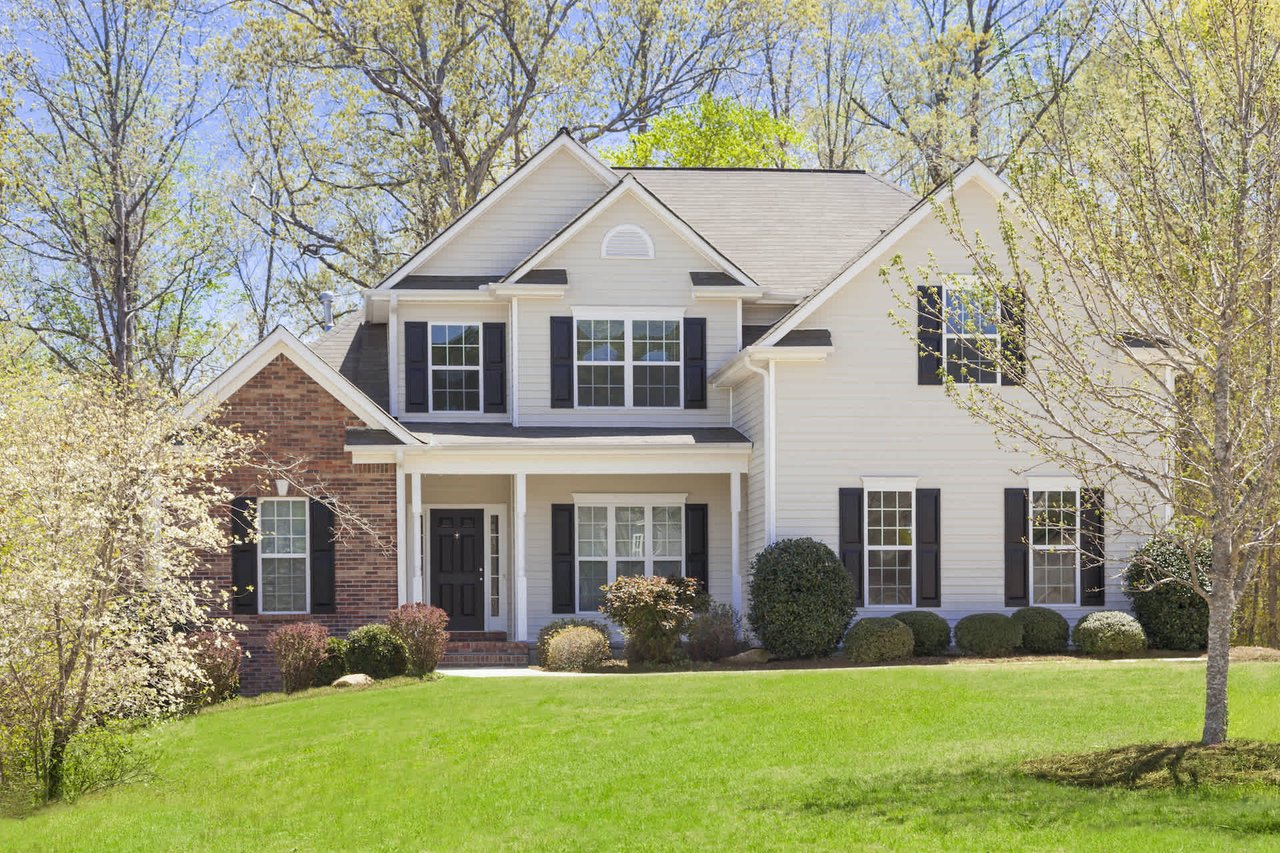
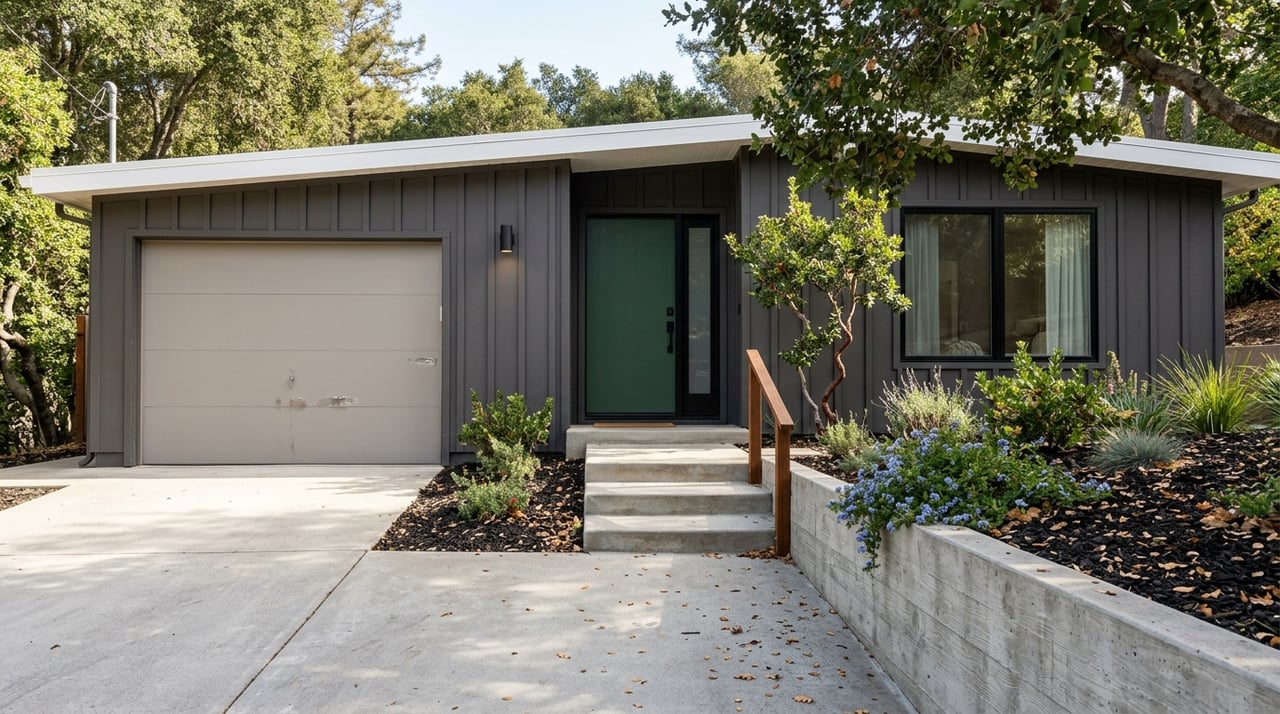
Housing in Belmont leans single-family
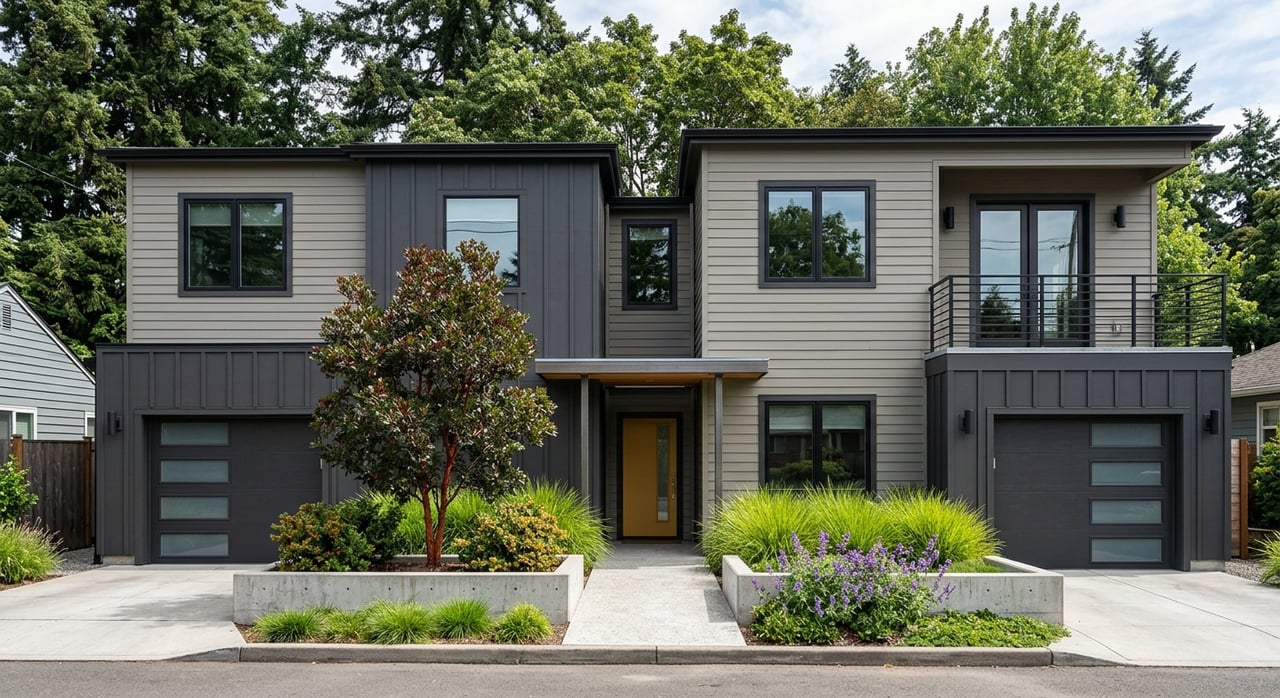
Belmont’s housing pattern is one of the main reasons it attracts Peninsula buyers. According to the city’s Housing Element, single-family homes remain the predominant form of development, especially in the city’s residential areas. Many lots are typically in the 5,000 to 9,600 square-foot range, while hillside and open space areas are more topographically constrained.
The city also notes that single-family neighborhoods are concentrated mainly west of El Camino Real, while higher-density and mixed-use development is centered around Belmont Village near Ralston Avenue and El Camino Real, as described in Belmont planning documents here. In practical terms, that means Belmont still delivers the detached-home character many Peninsula buyers prioritize.
If your search centers on space, a residential setting, and a more traditional suburban housing pattern, Belmont tends to stand out. If you want the broadest range of lower-cost attached options or a denser urban street grid, other Peninsula cities may offer more of that. Belmont’s appeal is more specific, and for the right buyer, that is a strength.
Belmont prices reflect its niche
Belmont is not an entry-level market, but it often sits in an interesting middle ground for Peninsula buyers comparing nearby cities. In February 2026, Redfin market data for Belmont showed a median sale price of $2,501,000, with homes selling in about 10 days and receiving about 7 offers on average. The same source reported a median sale price of $2,605,500 for single-family homes and $1,962,500 for townhouses.
That pricing helps explain why buyers keep looking at Belmont even in a competitive market. Based on the same current market snapshot, Belmont sits below San Carlos, where the median sale price was $2,850,000, but above Redwood City at $1,825,000 and San Mateo at $1,425,000. This is not a formal ranking, but it is useful context for buyers weighing cost against setting and housing style.
In other words, Belmont often appeals to buyers who want more of a hillside residential environment and are willing to pay for it, but who are still comparing value within the broader Peninsula. That is especially true for households looking at detached homes versus attached product.
Schools and support systems matter here
For many buyers, local school infrastructure is part of the Belmont conversation. Belmont families are served at the TK-8 level by the Belmont-Redwood Shores School District, which lists seven schools: Central Elementary, Cipriani Elementary, Fox Elementary, Nesbit K-8, Ralston Middle School, Redwood Shores Elementary, and Sandpiper TK-8. The district also notes that SchoolForce raises about $3 million each year for enrichment and added staff support.
For high school, Belmont is part of the Sequoia Union High School District, which serves nearly 9,000 students in grades 9 through 12 and includes Carlmont High School. The district facility page lists Carlmont High at 1400 Alameda de las Pulgas in Belmont.
Another practical detail is the district’s Safe Routes to Schools program, which focuses on walking and biking to school. For buyers thinking about day-to-day routines, that kind of infrastructure can matter just as much as the name of a school or district. It speaks to how a city supports family logistics over time.
Parks and open space add everyday value
Belmont’s outdoor assets are a major part of its identity. The city states that it offers 14 developed parks on 31 acres plus 337 acres of open space for hiking, running, and bike riding. Twin Pines Park and San Juan Canyon are two examples that reinforce the city’s connection to outdoor recreation.
That open-space access is one reason Belmont can feel different from more built-up Peninsula locations. You are not just buying a home here. You are also buying into a setting where trails, parks, and hillside views shape daily life.
For households with busy schedules, that convenience matters. Being able to get outside close to home can add a lot to how a neighborhood feels and functions during the workweek, not just on weekends.
Commuting from Belmont is practical
Belmont’s location is one of its strongest advantages. According to the city, Belmont borders San Mateo to the north, Redwood City to the east, and San Carlos to the south, with Highway 101 to the east, Highways 92 and 280 to the west, and El Camino Real running through the city. You can review that geographic context in the city’s planning materials here.
That road network helps explain Belmont’s lasting appeal to Mid-Peninsula commuters. It offers a more residential setting while keeping you connected to major regional routes. The city’s Census profile also reports a mean travel time to work of 28.5 minutes, which gives useful context for buyers comparing lifestyle and commute trade-offs.
Transit is part of the picture too. Caltrain’s Belmont Station at 995 El Camino Real is listed as wheelchair accessible and includes an elevator, 18 bike racks, BikeLink e-lockers, 375 parking spaces, and SamTrans connections. For buyers who want flexibility beyond driving alone, that is a meaningful plus.
Belmont’s trade-offs are clear
No city is everything to everyone, and Belmont is no exception. Its strengths are clear: a residential feel, hills and views, open space, single-family orientation, and practical Peninsula access. Those are exactly the reasons many buyers and families focus their search here.
At the same time, Belmont is more car-oriented than more urban Peninsula locations. Redfin’s city guide reports a Walk Score of 47 and a Transit Score of 11, suggesting that most daily errands and routines still work best by car. That is often part of the trade-off for a quieter, more spacious setting.
If you want a denser downtown environment or the widest variety of lower-cost housing, cities like Redwood City or San Mateo may deserve a closer look in your comparison set. If you want a residential Mid-Peninsula location with a strong detached-home identity, family infrastructure, and convenient access across the region, Belmont is often a very compelling fit.
Why Belmont stays in demand
Belmont continues to attract Peninsula buyers because it offers something specific and durable. It combines neighborhood stability, single-family housing, park access, school infrastructure, and commuter convenience in a city that still feels distinct from its neighbors. In a region where buyers often have to compromise, Belmont tends to offer a balanced answer to several priorities at once.
That is why it appeals to both move-up buyers and relocating households. Some are looking for more space and a longer-term home base. Others are trying to stay connected to Peninsula job centers while finding a setting that feels more residential and grounded.
If you are comparing Belmont with other Mid-Peninsula markets, working with a local advisor can help you sort through pricing, housing mix, and neighborhood fit with more clarity. If you would like private, data-driven guidance on Belmont or nearby Peninsula communities, Allen Nazari can help you evaluate your options with the discretion and hands-on insight Park Lane Capital is known for.
FAQs
Why do buyers choose Belmont over other Peninsula cities?
- Buyers often choose Belmont for its mix of wooded hills, open space, single-family homes, commuter access, and a more residential feel than denser Peninsula markets.
What type of housing is most common in Belmont?
- Belmont is primarily single-family oriented, with most detached homes concentrated west of El Camino Real and higher-density areas centered around Belmont Village.
How competitive is the Belmont housing market?
- Based on February 2026 data, Belmont had a median sale price of $2,501,000, homes sold in about 10 days, and listings received about 7 offers on average.
What school districts serve Belmont residents?
- Belmont is served by the Belmont-Redwood Shores School District for TK-8 and the Sequoia Union High School District for high school, including Carlmont High School.
Is Belmont convenient for Peninsula commuting?
- Yes. Belmont has access to Highway 101, Highways 92 and 280, El Camino Real, and Caltrain service at Belmont Station, which supports commuting across the Mid-Peninsula.
Does Belmont offer parks and open space?
- Yes. The city states it has 14 developed parks on 31 acres and 337 acres of open space for hiking, running, and bike riding.